

In a deeply reflective episode of Success Redefined with Dr. Toni Warner, Dr. Toni sits down with Dr. Ariel Moore,, an educator and founder of Safe Haven, a nonprofit that empowers Louisiana’s youth through education and self-awareness. Their conversation uncovers what it truly means for introverted leaders to lead quietly yet powerfully. Introverted leaders show that calm leadership is not about becoming the loudest voice in the room, but being a grounded presence that creates lasting transformation.
After her talk with Dr. Moore, Dr. Toni pauses and admits that she needed that conversation. It invited her to reflect on how easily people can be pulled by outside noise instead of their inner truth. The tone is calm but profound, reminding us that leadership rooted in reflection and self-awareness is both strong and sustainable.
Watch more conversations like this on Success Redefined with Dr. Toni Warner
How Introverted Leaders Listen to the Quiet Voice Within
Leaders who move quietly often find their strength not in speaking, but in listening. They listen deeply to others and, perhaps most importantly, to themselves.
Dr. Moore shared that intuition has always guided her path. Through meditation, stillness, and spiritual connection, she has learned to trust that quiet inner voice, even when logic or external expectations pull her in another direction.
“Sometimes,” she said, “you just have to trust that all is working in your favor, even when it doesn’t look that way.”
This philosophy captures the heart of calm, purposeful leadership: strength through stillness, clarity through calm, and confidence through self-trust.
From Shyness to Self-Trust
Dr. Toni recalls meeting Dr. Moore over a decade ago. Back then, Ariel was gentle, reflective, and a little shy. Today, she leads with quiet confidence and deep conviction.
Her journey from shyness to self-trust did not happen overnight. It was shaped by vulnerability, faith, and persistence. As the founder of Safe Havynn, she has secured more than five million dollars in grants to support programs that teach young people about self-worth, healthy relationships, and goal setting.
Her approach to leadership is grounded in faith and collaboration rather than control. She guides not through force but through trust- creating spaces where people are valued and supported.
“I figured,” she said softly, “if I don’t do it, who will?”
That simple sentence captures the quiet courage that often defines reflective leadership.
Connection Over Control
Dr. Ariel spoke openly about the loneliness that can come with leading quietly. “I want to go fifty feet deep,” she said, describing her longing for authentic relationships over surface-level interactions.
Dr. Toni understood that longing. Many high-achieving people appear confident and connected, yet feel unseen or misunderstood beneath the surface. Together, they explored how leadership that values connection over control offers a different kind of strength.
For both women, true influence is rooted in empathy and authenticity. It is not about commanding attention, but about creating spaces that foster a sense of safety, care and meaningful connection. Quality Leadership, whether the person is introverted or not, values listening before speakingand relationships over recognition.
This is the kind of leadership that need not build empires, because the communities of care it cultivates, help to build such fervent structures that can facilitate steady, sustainable growth.
Studies on introverted leadership demonstrate that introverts excel when leading proactive teams through listening and support—qualities that need not build empires, because the communities of care they cultivate help to build fervent structures that facilitate steady, sustainable growth.
Healing and Purpose in Quiet Leadership
Much of Ariel’s compassion for others comes from her own healing. Growing up in Louisiana, she saw how adults often carried their own unspoken pain. Instead of becoming hardened by that awareness, she funneled it into purpose. Her mission has always been to help others feel safe, seen, and connected with self-love.
When asked where her strength comes from, she smiled and said, “It’s always been there. It’s a knowing, a spiritual vibe that guides me.”
That quiet conviction defines her presence. It is not about charisma or performance, but about grounded clarity and peace within herself.
Lessons in Introverted Leadership
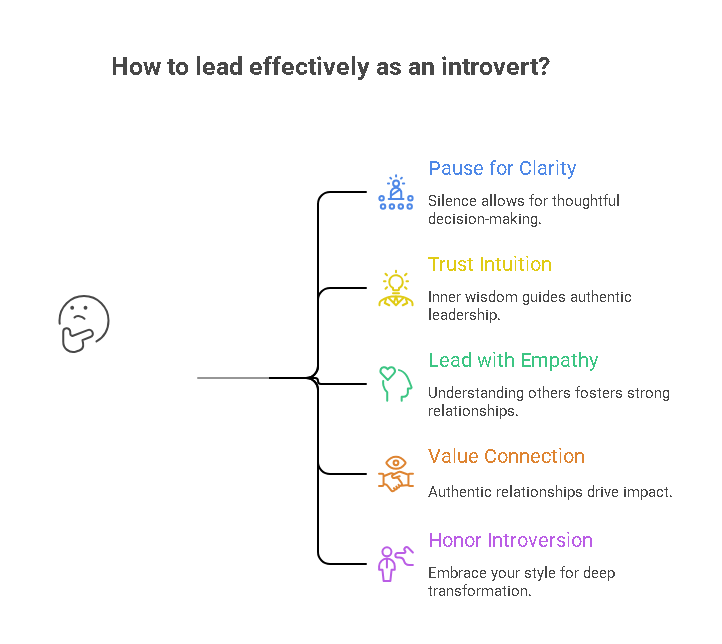
When asked how others can strengthen their leadership through intuition and reflection, Dr. Moore shared several simple but powerful practices:
- Pause before you act. Silence creates space for clarity.
- Trust your intuition. Following your inner knowing is wisdom, not weakness.
- Lead with empathy. Listen first, then respond with understanding.
- Value connection. Authentic relationships are the foundation of meaningful impact.
She reminded us that introverted leaders do not need to imitate extroverted styles to be effective. Their steady presence and thoughtful insight can create transformation that is both deep and lasting.
A phenomenological study from Liberty University found that introverted leaders excel through critical thinking, relationship-building, and non-micromanaging approaches.
Redefining Success Through Quiet Confidence
For Ariel, success once meant survival. Today, it means freedom — the freedom to create, to collaborate, and to serve. She defines success not by attention but by impact, not by titles but by trust.
“Success,” she said, “is being able to create with anyone, whenever you want, to keep building things that matter.”
Through their conversation, Dr. Toni and Dr. Moore remind us that a quiet leadership style is not a limitation. It is a strength. It is about leading from the inside out, guided by intuition, grounded in purpose, and expressed through authentic care.
Final Reflection
Dr. Toni closed with a thought that captures the heart of their exchange. You can be a strong leader without being loud.
Quiet leadership is not about taking up more space. It is about creating space — for reflection, for listening, and for others to grow.
In a world that often rewards noise, these calm, reflective leaders are showing us what real power looks like: steady, empathetic, and deeply human.
Frequently Asked Questions About Introverted Leaders
How does trusting intuition and stillness contribute to calm leadership?
Trusting intuition and stillness allows introverted leaders to make decisions rooted in clarity rather than external pressure. Dr. Ariel Moore demonstrates this through her meditation practice and spiritual connection, which help her tune out noise and listen to her inner guidance. Stillness creates mental space where leaders can process information deeply, recognize patterns, and respond thoughtfully rather than reactively. This approach builds confidence because decisions come from a place of genuine knowing rather than performance or people-pleasing. For introverted leaders, this practice transforms what might be seen as hesitation into deliberate, grounded decision-making that builds trust and creates sustainable impact.
What is the journey from shyness to self-trust in introverted leadership?
The journey from shyness to self-trust is not about becoming more extroverted—it’s about recognizing that quiet presence holds power. Dr. Moore’s transformation over a decade shows this evolution: she moved from gentle and reflective to leading with quiet confidence and deep conviction. This shift happened through vulnerability, faith, and persistent action aligned with her values. Rather than forcing herself into uncomfortable leadership molds, she built self-trust by honoring her intuition, taking meaningful action (like securing over five million dollars in grants), and seeing tangible results from her authentic approach. Self-trust grows when introverted leaders stop apologizing for their nature and start recognizing their reflective qualities as leadership assets.
What role does empathy and authenticity play in quiet leadership?
Empathy and authenticity are the foundation of quiet leadership’s influence. Both Dr. Moore and Dr. Toni emphasize that true impact comes from creating spaces where people feel safe, seen, and valued—not from commanding attention. Dr. Moore’s desire to “go fifty feet deep” in relationships reflects how introverted leaders build influence through meaningful connection rather than broad networks. Authenticity allows these leaders to lead from their genuine selves rather than performing a leadership role, which creates trust and psychological safety. Empathy enables them to listen deeply and respond with understanding, making their guidance more relevant and impactful. This combination creates leadership rooted in care rather than control, fostering environments where sustainable growth happens organically.
What practical practices can introverted leaders use to strengthen their leadership skills?
Dr. Moore shares several practical approaches introverted leaders can adopt:
Pause before acting – Create intentional silence before making decisions to allow clarity to emerge rather than reacting immediately.
Trust your intuition – Recognize that your inner knowing is valid wisdom, not indecisiveness. Practice meditation or stillness to strengthen this connection.
Lead with empathy – Make listening your first response, then offer understanding rather than quick solutions.
Value deep connection – Prioritize quality relationships over networking quantity. Build communities of care rather than broad superficial networks.
Align with purpose – Let your mission guide decisions rather than external expectations or traditional leadership models.
These practices don’t require introverted leaders to change their nature—they leverage their natural strengths of reflection, depth, and authenticity.
What makes quiet leadership a sustainable and impactful leadership style?
Quiet leadership proves sustainable because it’s rooted in authenticity rather than performance, making it less exhausting to maintain. Dr. Moore’s approach demonstrates how leading from your genuine self—guided by intuition, grounded in purpose, and expressed through authentic care—creates impact without burnout. This style prioritizes connection over control, which builds self-sustaining communities rather than dependency on the leader. The emphasis on listening, reflection, and empathy creates psychological safety where others can grow and contribute meaningfully. Unlike leadership that demands constant visibility and charisma, quiet leadership creates steady, deep transformation through presence and trust. As Dr. Toni notes, it’s about creating space for others to grow rather than taking up all the space yourself—a model that scales naturally and maintains integrity over time.